
 rnbsoulsa
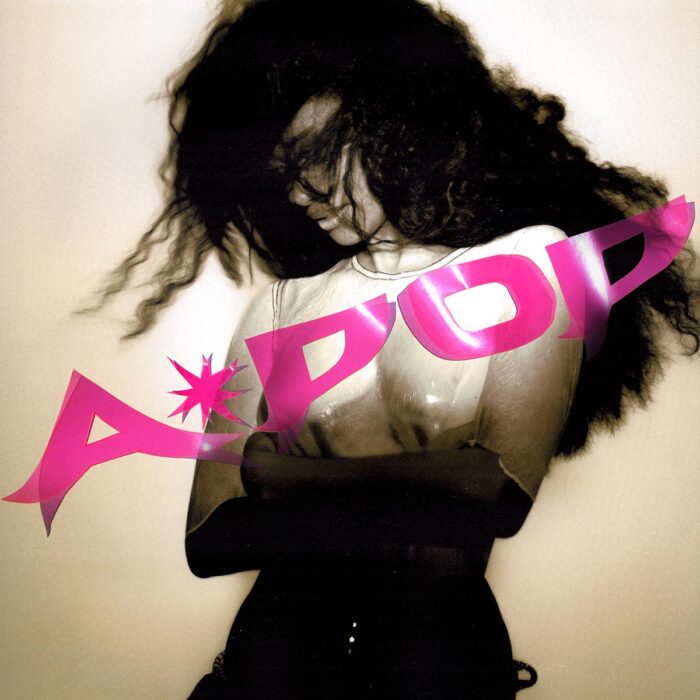
APOP: The Sound of Tyla Coming Home
Press play on APOP and the first thing you notice isn’t a lyric or a beat drop, it’s a feeling of return. Fourteen tracks, forty-four minutes, and not a single second of it apologizing for where it’s from. If her 2024 debut was Tyla stepping onto the world stage and learning how big that stage could get, APOP is her walking back through the door she opened and deciding to stay a while. This isn’t an album you skim through on shuffle. It’s one you sit inside of.
The Opening Feeling: Arrival, Not Departure
There’s a version of this album that could have chased the same global sprawl as her debut, more studios, more time zones, more passport stamps. Instead, A*POP does the opposite, and you feel that choice in the bones of the record before you can name it. The collaborator list reads almost entirely South African. It’s less a guest list and more a reunion, a room full of people who already speak the same musical language, which means the album never has to slow down to explain itself.
That instinct comes from somewhere real. Tyla has talked about hearing the criticism that she wasn’t sounding “African enough” for some corners of the internet, the kind of comment that could send an artist chasing validation in either direction, more experimental or more diluted. A*POP does neither. It just turns the volume up on exactly what was already there.
Track by Track, a Different Kind of Travel
Start with “Chanel,” the song that’s been living rent-free on the charts since October. On paper it’s just her third Billboard Hot 100 entry, a chart-topper on Afrobeats and Rhythmic Airplay. But sit with it and it’s hypnosis dressed up as pop music, built less on a hook you sing along to and more on a groove you fall into, the kind of track that doesn’t ask for your attention so much as it slowly takes it.
Then the album shifts registers. “That Girl” pulls the temperature down into something sultrier, all low light and Rihanna-shaped shadows. And then there’s “Fairytale,” maybe the most quietly audacious moment on the record, a full reimagining of a 2009 cut from South African house legends Liquideep. Picture standing in a room where an old family photograph has been redrawn in neon: familiar bones, entirely new pulse. It’s the closest thing on the album to a thesis statement, the past and the present sharing the same four bars.
The one outsider let into this world is Zara Larsson, returning for “She Did It Again,” a track that flirts with early 2000s Britney-era pop nostalgia without ever losing Tyla’s signature low, breathy delivery underneath it. It’s proof the album isn’t closed off, it’s just selective, letting a handful of trusted voices, Liquideep, MaWhoo, Babalwa M, and reportedly some uncredited texture from PartyNextDoor, move through the space without ever crowding it.
(Worth a quick note for the deep divers: a couple of outlets have floated a longer 20 track version of this album naming additional international features. What’s actually live on streaming right now is the 14 track version described here, so that’s the one worth trusting until anything changes.)
The Feeling Underneath the Music
What makes A*POP hit differently isn’t just the sound, it’s the sense that you’re listening to someone build something with her bare hands in real time. In press conversations around the release, Tyla has described her career as something without a blueprint, something she’s cutting a path through as she goes rather than following anyone else’s map. You can hear that same restlessness in the sequencing, the way the album refuses to sit still in one mood for too long, moving from hypnotic to sultry to nostalgic to reverent without ever feeling scattered.
And the timing only deepens the moment. This album arrives in the same year she picked up a second Grammy, for “Push 2 Start,” and became the first artist in the history of Billboard’s U.S. Afrobeats Songs chart to hold No. 1 for 100 cumulative weeks. That’s not just a hot streak, that’s an artist operating from a position of total certainty about who she is.
Why It Lingers
Most pop albums are designed to travel outward, built for playlists, for algorithms, for a listener who’s never heard of the artist before. A*POP does something rarer. It invites you inward, toward Durban, toward Johannesburg house records from a decade and a half ago, toward a specific, unapologetic idea of what South African pop sounds like when it isn’t performing for anyone else’s approval. Listen closely enough and the album stops feeling like a collection of songs and starts feeling like a place. And once you’ve been there, you understand exactly why she wanted to build it before going anywhere else.



GIPHY App Key not set. Please check settings