
 rnbsoulsa
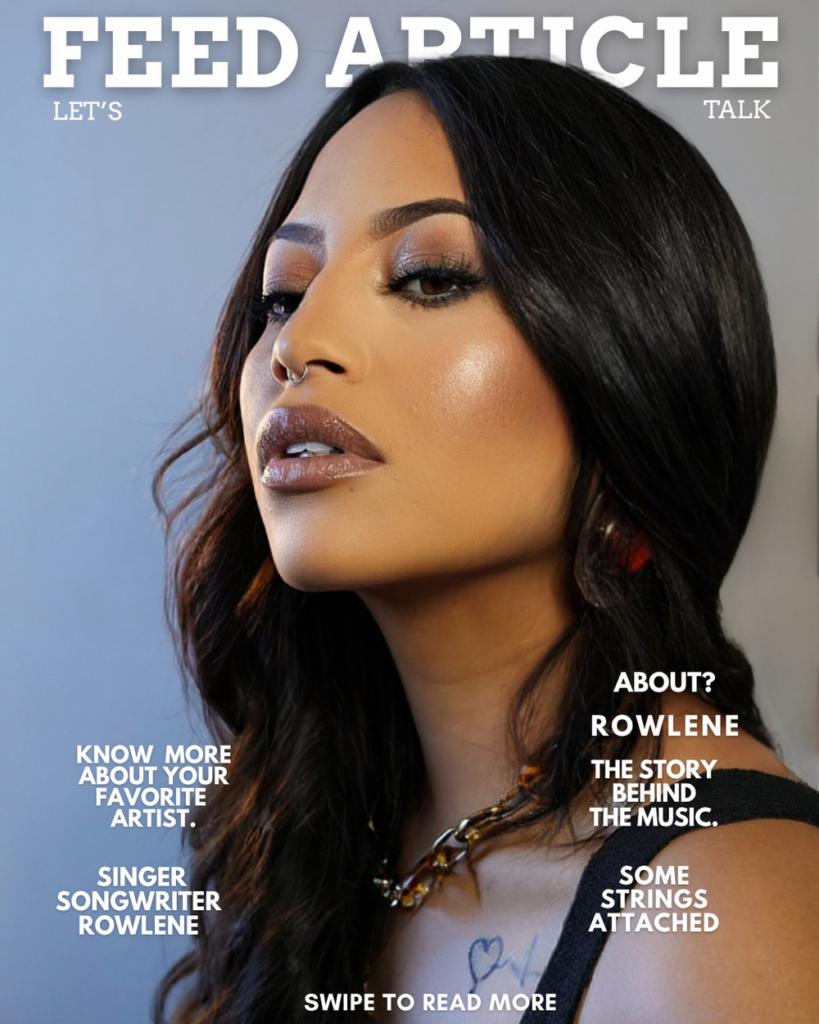
Rowlene Untangles Grief, Growth and What Stays With Us on Some Strings Attached
There’s a particular kind of album that doesn’t get written so much as it gets survived. Some Strings Attached is that kind of record for Rowlene, a project born not from ambition but from necessity, a way of making sense of a life she was still in the middle of living through.
The Moment It Became an Album
When we asked Rowlene about the origins of the project, she stated, “I don’t think I initially knew I was making an album. I was just trying to make sense of what I was experiencing.” Coming out of a significant chapter of her life, she found herself sitting with grief, anger, disappointment, relief, confusion, and even gratitude, often all at once, and every time she wrote, another part of the story revealed itself.
Eventually, she mentioned, “I realised these songs were speaking to each other. They weren’t isolated moments anymore. There was a thread connecting all of them.” That’s the moment Some Strings Attached stopped being a collection and became a body of work. As she put it, it became “less about documenting one breakup and more about examining attachment, the things and people we remain connected to, even after we think we’ve let them go.”
From Bare Bones to Full Body
Rowlene explained that the album began as something deliberately stripped back. “The acoustic approach made sense initially because I wanted nowhere to hide,” she said. “I wanted the songs to work with just the writing, the melody and my voice.” But as the sessions continued, she realized the emotional world she was building was far bigger than that frame could hold.
“Some songs needed bass. Some needed tension,” she stated. “I didn’t want production for the sake of making something sound ‘big’; I wanted the production to behave like the emotion.” The acoustic core never disappeared, she noted, it became “more like the skeleton of the album rather than the rule for the album.”
Why “Some Strings Attached”
Asked how she landed on the title, Rowlene shared, “The title came from thinking about how rarely anything ends completely cleanly. We say ‘no strings attached’ as though human beings can move through each other’s lives without leaving anything behind, but I don’t really believe that anymore.” There are always strings, she said, “memories, habits, lessons, resentment, love, grief, creative connections, family, friendship.”
That realization became the lens for the whole project, shaping the sequencing directly. “The sequencing needed to feel like slowly untangling something,” she stated. “It doesn’t end with pretending none of it mattered. It ends with understanding that something can have mattered deeply without needing to own you forever.”

Letting Silence Do the Talking
When it came to tracks like “Last Seen,” “Hurts 2b Reminded,” and “Invisible Thread Theory,” Rowlene told us restraint was everything. “When the lyric is already saying something painful, you don’t necessarily need every instrument screaming, ‘This is sad,'” she explained. “Sometimes the most powerful production choice is leaving room around a sentence.”
She described paying close attention to dynamics, and even her own voice became part of that restraint. “There are moments where keeping an imperfect breath or a softer delivery communicates more than belting ever could,” she said. Her goal, she stated, was “for you to feel the emotion, but I also wanted you to come back and discover musical details on the tenth listen that you didn’t necessarily hear on the first.”
Melody Before Meaning
When asked about her process, Rowlene mentioned that it was both instinctive and intentional at once. “I’m very instinctive when I create,” she said. “Sometimes I know exactly what I need to say and the writing becomes almost like a conversation I’ve been rehearsing in my head. Other times, melody comes first and somehow tells me what I’m feeling before I’ve consciously articulated it.”
“There were melodies that felt like longing before there were words attached to them,” she said. “Then once I started writing, I would realise, ‘Oh. THAT is what this is about.'” It’s part of why she loves songwriting, she added: “Sometimes you’re not writing what you know, you’re writing until you find out what you know.”

The Push and Pull of Letting Go
Rowlene described the tension between holding on and letting go as something she translated into the production through contrast. “I wanted moments that feel claustrophobic sitting next to moments where suddenly you can breathe,” she explained. “Certain sections feel repetitive because emotionally that’s what rumination feels like, going back to the same thought over and over again.”
That push and pull became the album’s internal language. “It isn’t this beautiful linear process where one morning you wake up healed,” she said. “Sometimes you’re free and then something pulls you backwards for a second.” The production, she stated, “needed to honour that messiness.”
Collaborators Who Understood the Assignment
Because the story was so personal, Rowlene told us, “I was very protective about collaboration on this project because the story is so personal. I didn’t want features just because another name would look good on a tracklist.” IAN LOVLY’s presence on “Bittersweet” made sense, she said, because “Bittersweet needed that duality, something beautiful that still carries an ache underneath it, and Ian naturally understands that world.”
Jesse Clegg’s feature on “More Room” worked differently. “The song is about making emotional space, and having another voice enter that conversation actually expanded what the song could mean,” she shared. As she put it, both collaborations “had to feel like people entering the story naturally, not guests arriving for a verse.”
Independence as Freedom
Rowlene was clear that making the album independently gave her permission to follow instinct without interference. “There wasn’t someone standing over the process asking where the single was every five minutes or telling me a song needed to be shorter because of an algorithm,” she stated. “We could let a strange choice stay strange.”
She acknowledged that independence brings its own challenges, “particularly resources, but limitation can also force you to become incredibly intentional.” Much of the album, she said, “was created with what we had, where we were, with people I genuinely trust. That became part of its character. I didn’t want independence to sound like a compromise. I wanted it to sound like freedom.”
Heartbreak Beyond Romance
One realization shaped the album deeply, Rowlene shared: “Heartbreak isn’t exclusive to romance. You can grieve a friendship. You can outgrow a creative relationship. Family can teach you things about attachment that you carry into every other relationship without realising it.”
Different relationships pull out different versions of her, and she wanted the songs to reflect it. “Some are defensive. Some are tender. Some are angry. Some are almost detached. Some are finally peaceful,” she said. That’s why she resisted making every track live in the same sonic world: “They’re connected, but they’re different rooms in the same house.”
What She Hopes Listeners Feel
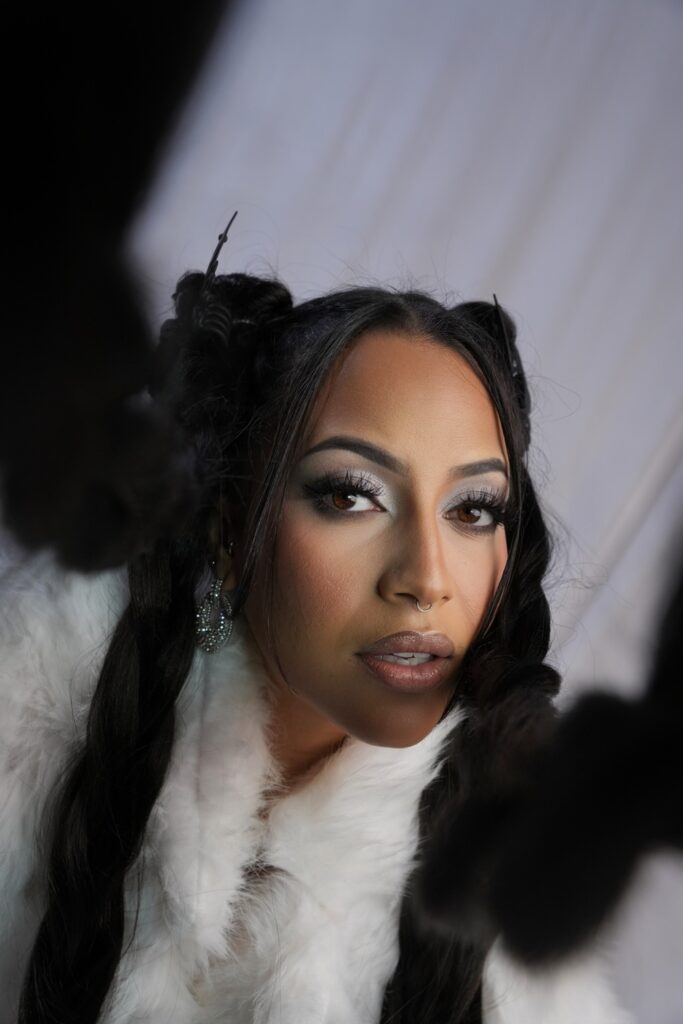
Above everything, Rowlene told us she hopes the album offers space. “I hope somewhere in the album they hear permission to feel whatever they’re feeling without rushing toward the version of themselves that’s supposedly ‘healed,'” she said. “Something can feel completely consuming today and eventually become something you can hold without it hurting you in the same way.”
“I don’t want the album to tell anybody how to heal,” she said. “I just hope it can sit beside them while they do.”
The Person She Was, and the Person She’s Become
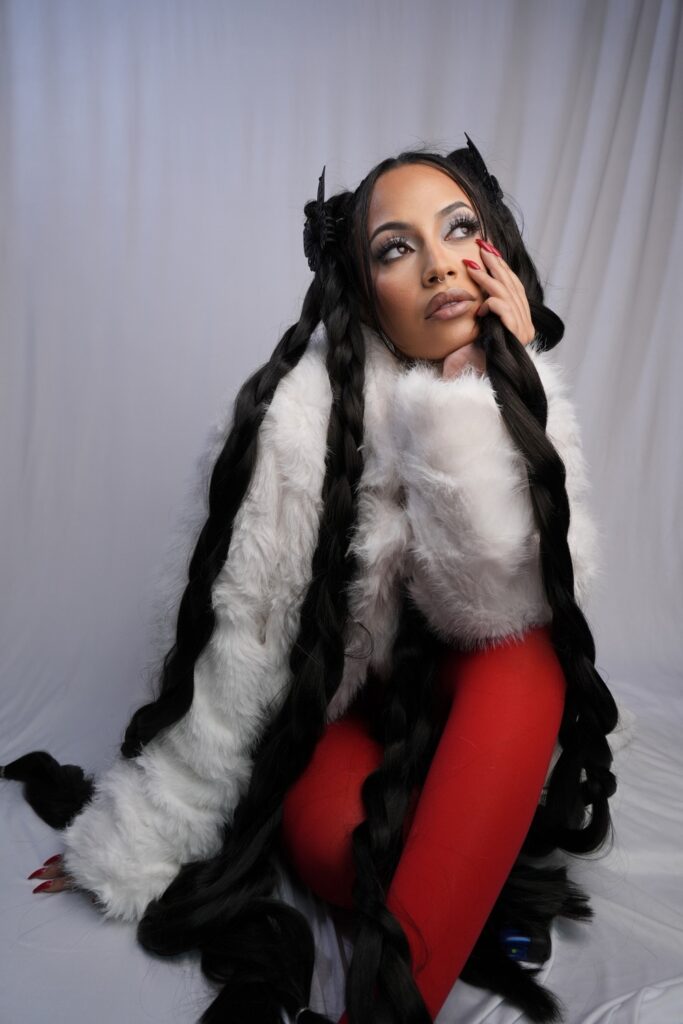
When we asked Rowlene what she hears listening back now, she said it’s both versions of herself at once, “and I think that’s the beautiful part. I can hear exactly who I was when certain songs were written. I can hear what I didn’t know yet.” But she’s listening from a different place now.
The experiences haven’t vanished, she stated: “They became part of my language, my music and ultimately my growth.” “I don’t hear someone who ‘won’ a breakup or perfectly healed from everything,” she reflected. “I hear someone who survived becoming someone else.”
Maybe that’s what Some Strings Attached means to her now: “You don’t have to erase every string to be free. Sometimes freedom is simply understanding what you’re still attached to, and choosing what gets to come with you.”


GIPHY App Key not set. Please check settings